
Introduction
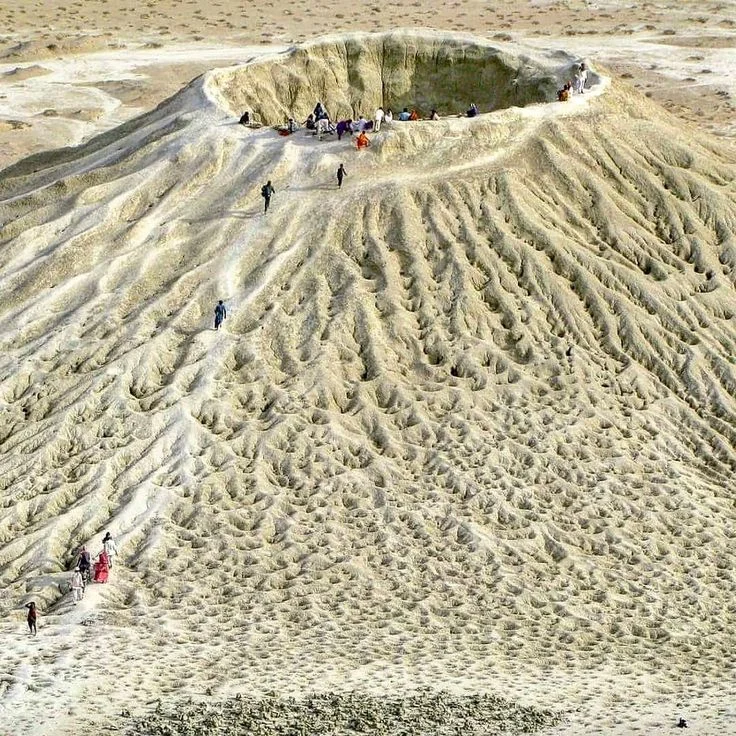
Nestled within the breathtaking Hingol National Park of Balochistan lies a mysterious and sacred wonder: the Hingol Mud Volcano, locally known as Chandragup.
To the casual eye, it may appear as just another natural anomaly—but to thousands of Hindu pilgrims and local tribes, this volcano is a living symbol of spiritual connection and penance.
🌋 A Geological and Spiritual Marvel
Mud volcanoes are rare geological formations that release cold mud and gases from deep within the Earth’s crust. Hingol hosts some of the most active ones in the world.
But Chandragup is not just a volcano—it is a sacred deity for many Hindu devotees.
“When I stood at the edge of the volcano and offered my coconut into the mud, I felt my burdens lift. It’s not just mud—it’s the Mother listening.”
— Suresh Kumar, pilgrim from Sindh
Some of these embroidered tales depict characters from classic Pashto legends like Adam Khan and Durkhanai, the Spin Tappey (White Hill), or tales of tribal heroes and heroines. These embroidered images serve not just as decoration, but as cultural preservation.
🛕 Historical Roots and Mythological Significance
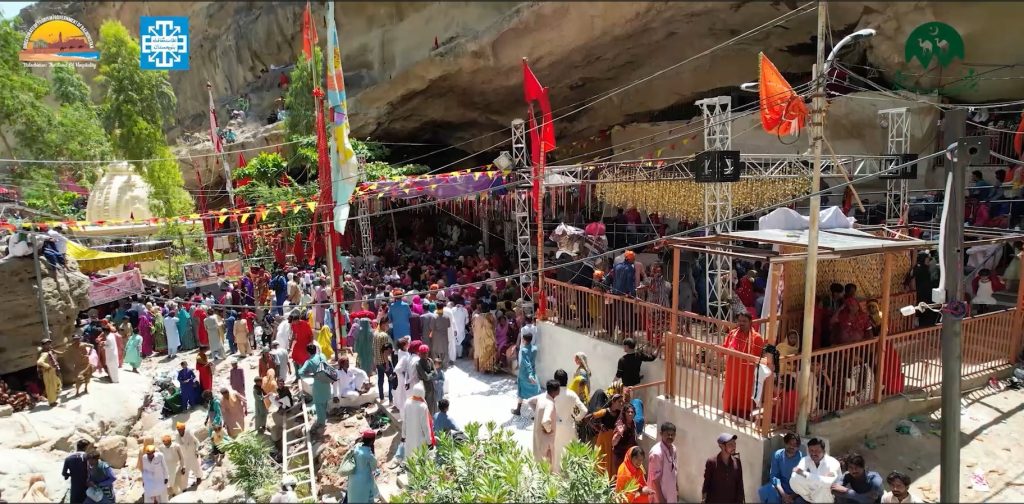
The Hingol region holds profound significance in Hindu mythology. The volcano is an essential part of the Hinglaj Yatra, a sacred pilgrimage to Hinglaj Mata Mandir—one of the 51 Shakti Peethas.
Chandragup is considered a ‘Living God’, and before approaching the Hinglaj temple, pilgrims stop at the volcano to seek purification of the soul.
“It is believed that confessing your sins here, before throwing your offering into the crater, cleanses you spiritually. The volcano listens, accepts, and forgives.”
— Priest at Hinglaj Mata Mandir
Artisans use these visual elements to recreate folk narratives, sometimes stitching full scenes or metaphorical symbols. The result is a living tapestry of Pashtun oral heritage.

The Ritual of the Pilgrimage
The journey to Chandragup is not easy—it involves days of travel through Balochistan’s deserts and mountains. Pilgrims camp near the volcano and observe strict rituals:
- Fasting
- Meditation
- Night prayers
On the final day, each pilgrim climbs the volcano barefoot, often in silence. At the top, they whisper their confessions and throw coconuts, rice, ghee, and incense into the bubbling mud.
“The climb is hard, but the feeling at the top is indescribable. You feel like you’re speaking directly to the heavens.”
— Meera Devi, Karachi-based devotee
🤝 A Place of Pluralism and Peace
The Hingol Mud Volcano is a powerful reminder of Pakistan’s religious and cultural diversity. Despite being a Muslim-majority nation, sacred sites like this serve as symbols of interfaith harmony.
Local Baloch tribes also revere the volcano, showing deep cultural respect for the sacred landscape that blends mythology, spirituality, and ecology.
🔒 Preservation and Respect
With increasing interest from tourists and spiritual seekers, it’s vital to protect both the ecological and cultural sanctity of this site.
Visitors are encouraged to:
- Respect all religious rituals
- Avoid damaging the landscape
- Refrain from littering
- Support local conservation efforts
The Government of Balochistan, with cultural and tourism departments, has started taking steps to promote sustainable tourism and preserve sacred sites like Hingol
🌺 A Volcano That Speaks in Silence
The Hingol Mud Volcano is more than a natural wonder—it is a symbol of devotion, transformation, and divine connection.
Its sacred silence holds centuries of prayers, myths, confessions, and blessings.
Let us honor and protect this sacred site, where nature and the spirit world meet.
“یہ صرف ایک آتش فشاں نہیں، یہ وہ مقام ہے جہاں دلوں کی آواز سنی جاتی ہے۔”
— بزرگ یاتری