


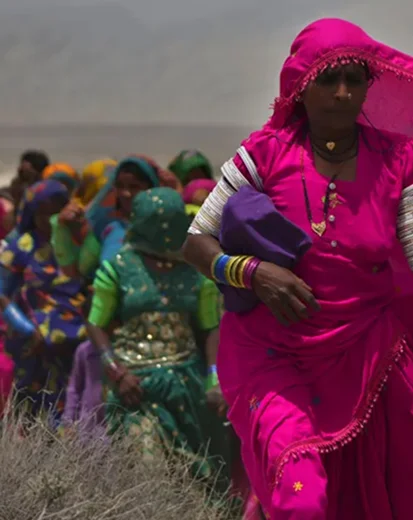
Every year, thousands of devotees and visitors gather in the rugged mountains of Balochistan to celebrate the Hinglaj Mela, one of the largest and most significant Hindu pilgrimages in Pakistan. Nestled within the Hingol National Park, the sacred Hinglaj Mata Mandir—also known as “Nani Mandir”—becomes a center of devotion, unity, and cultural expression.
Ancient Traditions, Living Faith
The Hinglaj Mela is deeply rooted in history and mythology. Pilgrims travel long distances—by foot, bus, or camel caravans—to reach the shrine, chanting hymns and carrying red flags of devotion. According to folklore, Hinglaj Mata is a manifestation of Goddess Sati, and the temple marks the site where part of her body is believed to have fallen, making it one of the most revered Shakti Peeths.
During the festival, devotees perform parikrama (circumambulation) of the shrine, bathe in the sacred mud volcanoes and Hingol River, and offer coconuts, sindoor, and flowers at the temple. The rituals symbolize purification, renewal of faith, and gratitude. Many pilgrims describe the journey itself as a test of devotion, bringing people closer to the divine.

The Mela is not only a religious gathering but also a celebration of cultural harmony. Visitors from across Pakistan—Hindus, Muslims, and people of other faiths—participate, highlighting the spirit of coexistence. The festival grounds echo with folk music, traditional food stalls, and vibrant processions, turning the desert valley into a colorful tapestry of faith and festivity.
What makes Hinglaj Mela truly remarkable is its atmosphere of inclusivity. Locals often welcome pilgrims with generosity, offering food, shelter, and guidance through the mountains. This spirit reflects the centuries-old tradition of shared heritage in the region, where culture and spirituality cross religious boundaries.
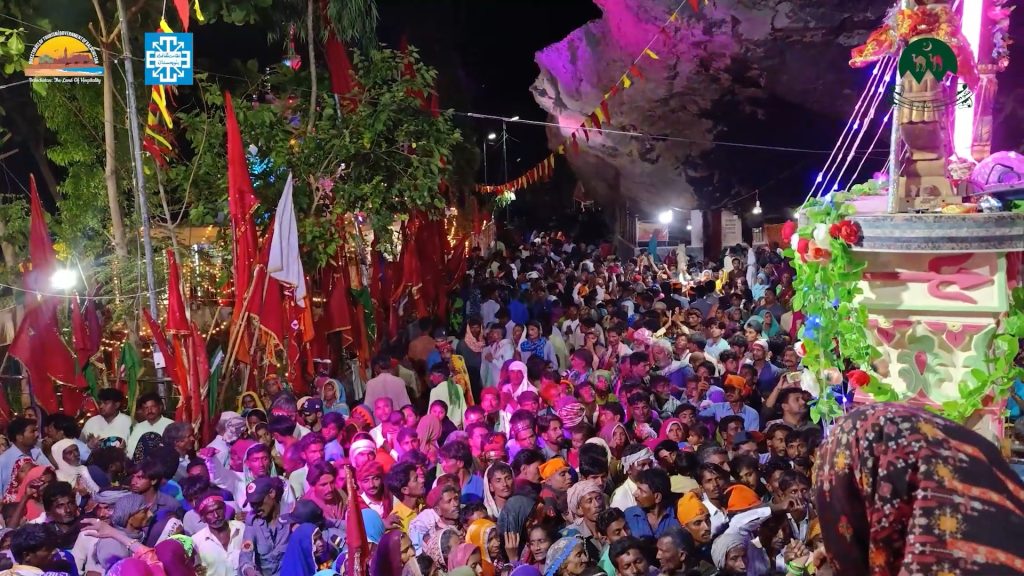

As the final prayers echo through the Hingol valley and pilgrims prepare for their return, the Mela closes with a powerful message: faith unites rather than divides. The devotion of the pilgrims, combined with the hospitality of the locals, reaffirms the sacred truth that harmony and respect are at the heart of every tradition. The Hinglaj Mela thus ends not just as a religious journey but as a living symbol of unity, peace, and devotion.


