
Introduction
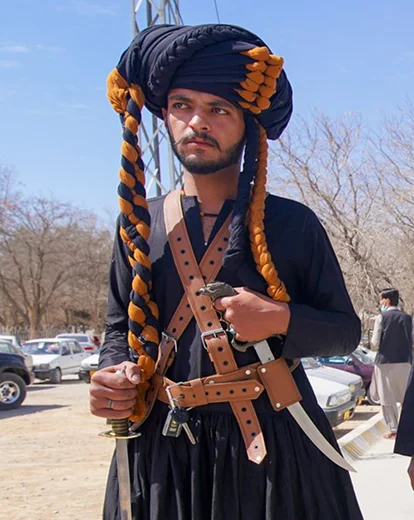
In the mountainous heartlands of Pashtun culture, art and storytelling intertwine in a beautiful tradition: embroidering Pashto folklores on fabric. This ancient craft transforms cloth into canvas and stitches into stories — preserving tales of love, bravery, and wisdom from generation to generation.
A Stitch Through Time: The History
Pashtun embroidery has long been a symbol of identity and pride. Traditionally, women in rural communities used needle and thread to adorn shawls, dresses, and household items. But beyond floral patterns and geometric motifs, these fabrics often whispered stories — folk tales passed down orally and now immortalized in thread.
Some of these embroidered tales depict characters from classic Pashto legends like Adam Khan and Durkhanai, the Spin Tappey (White Hill), or tales of tribal heroes and heroines. These embroidered images serve not just as decoration, but as cultural preservation.
The Symbolism Behind the Stitches
Each pattern and color has meaning. Red might signify love or martyrdom; green, spirituality. A mountain embroidered beside a rider may reference tribal journeys or ancient battles. A bird in mid-flight might echo themes of freedom or longing found in many Pashto poems.
Artisans use these visual elements to recreate folk narratives, sometimes stitching full scenes or metaphorical symbols. The result is a living tapestry of Pashtun oral heritage.

Where Tradition Meets Modernity
Today, this art form is seeing a revival. Young designers and cultural preservationists are collaborating with rural artisans to create modern apparel and home décor that reflect traditional storytelling.
Workshops and NGOs in Afghanistan and Pakistan are training women to monetize their skills while keeping their heritage alive. Some even use QR codes on the finished garments that link to the full written folklore behind the embroidery.
Why It Matters
In a globalized world, cultural uniqueness is at risk. Embroidering Pashto folklores on fabric is more than just aesthetic expression — it’s resistance, remembrance, and pride. It keeps the Pashto language, myths, and values alive in a tangible, wearable way.
Conclusion
This vibrant fusion of folklore and fabric is a testament to the resilience and creativity of Pashtun culture. Through thread and tale, artisans are not just making beautiful works of art — they’re telling the world who they are.